EV Charging Infrastructure in India
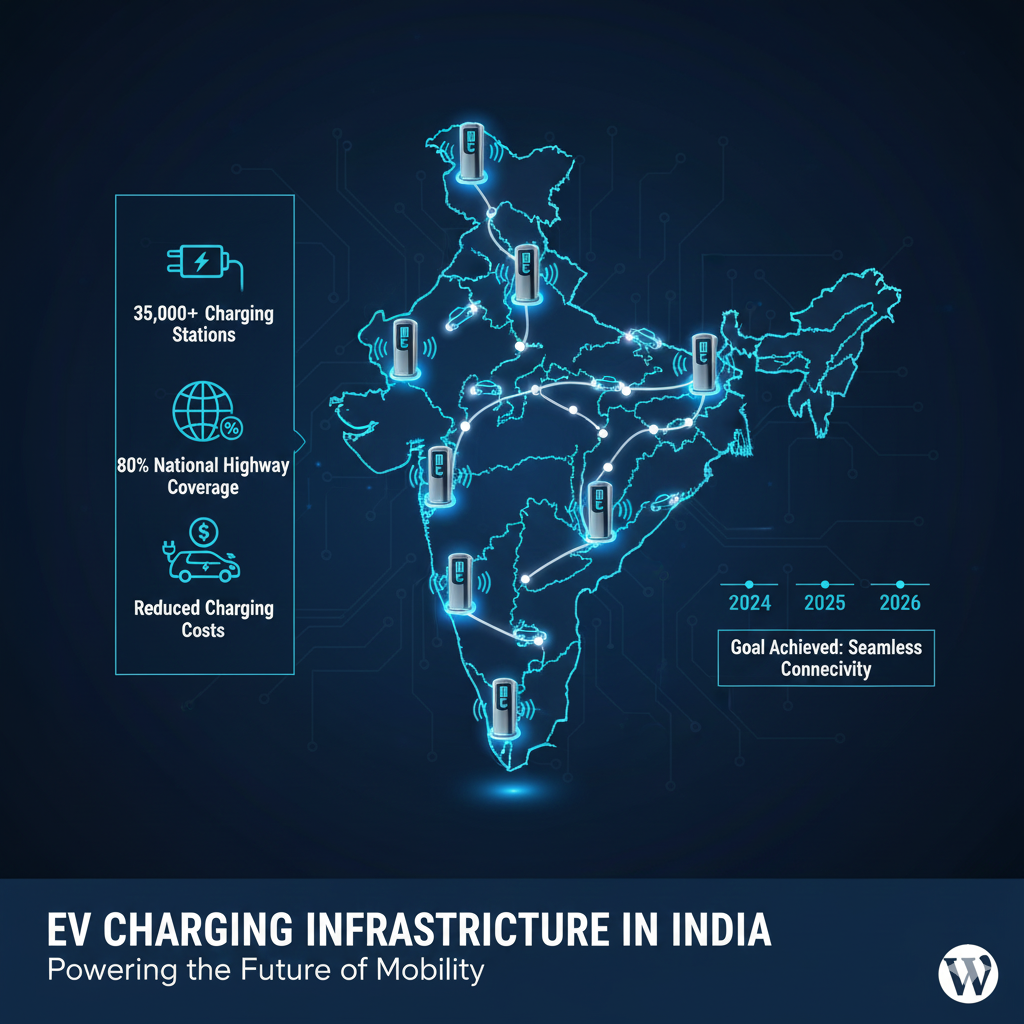 Expanding EV charging infrastructure in India supporting electric mobility in 2026
2026 Update
India’s electric vehicle (EV) revolution is accelerating, and charging infrastructure is the backbone supporting this transformation. By 2026, the country has made significant progress in expanding EV charging networks across cities, highways, and residential areas. With strong government support and private-sector investment, EV ownership is becoming more practical and accessible than ever before.
This article provides a clear 2026 update on EV charging infrastructure in India, covering current progress, key developments, challenges, and what lies ahead.
Growth of EV Charging Infrastructure in India
Over the past few years, India has witnessed rapid growth in public and private EV charging stations. Major metropolitan cities, tier-2 towns, and national highways are now better equipped to support electric cars, two-wheelers, and commercial EV fleets.
Key drivers of growth include:
- Government incentives and policy support
- Rising EV adoption across segments
- Participation from private energy and mobility companies
- Increased focus on sustainable transport
Types of EV Charging Stations in India
1. Slow AC Chargers
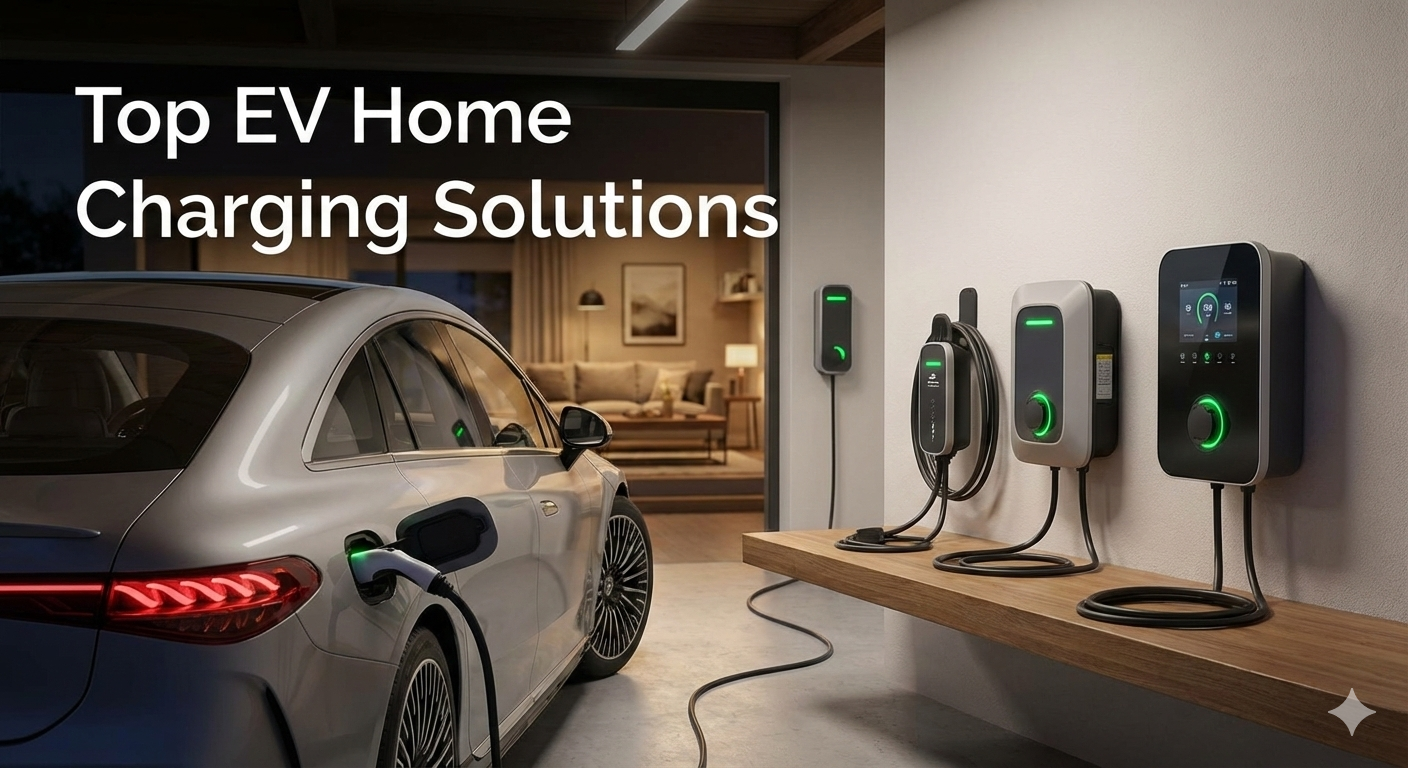
These chargers are commonly used in homes, offices, and residential societies. They are affordable and suitable for overnight charging.
Best for: Daily commuters and personal vehicles
2. Fast DC Chargers
Fast chargers are installed at highways, malls, fuel stations, and commercial hubs. They can charge EVs up to 80% in under an hour (depending on vehicle support).
Best for: Long-distance travel and quick top-ups
3. Battery Swapping Stations
Battery swapping is gaining traction, especially for electric two-wheelers and three-wheelers. It allows users to replace a discharged battery with a fully charged one in minutes.
Best for: Delivery fleets and urban mobility
Government Initiatives Supporting EV Charging
The Indian government continues to play a crucial role in expanding EV infrastructure through:
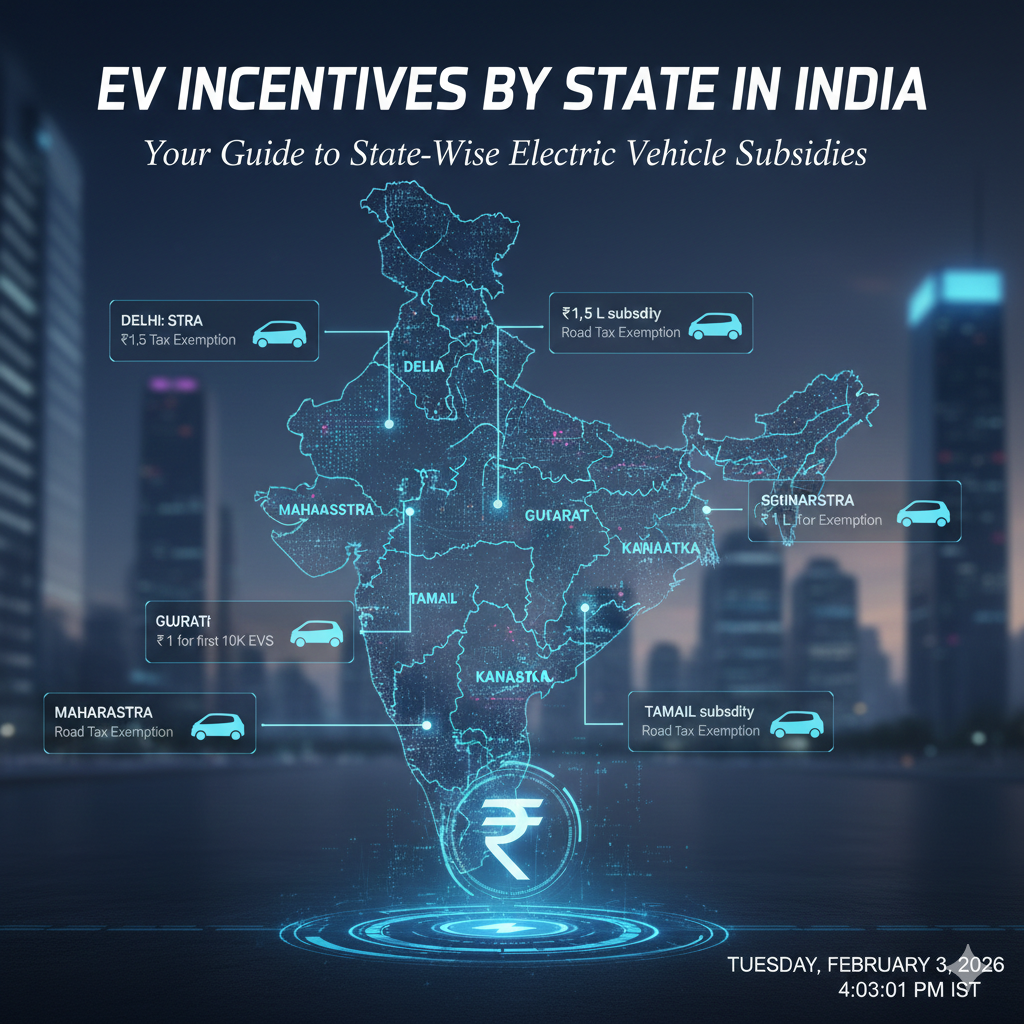
- National EV policies and state-level subsidies
- Public-private partnerships for charging networks
- Incentives for installing home and workplace chargers
- Standardization of charging connectors
These initiatives are helping reduce range anxiety and promote EV adoption nationwide.
Challenges Facing EV Charging in India
Despite progress, some challenges remain:
- Uneven distribution of charging stations
- Limited fast chargers in rural and remote areas
- Grid capacity and power reliability issues
- High installation costs for fast chargers
Addressing these challenges is essential for mass EV adoption.
What to Expect Next?
By the end of 2026 and beyond, India’s EV charging ecosystem is expected to:
- Expand further along highways and smart cities
- Integrate renewable energy sources like solar
- Offer faster, smarter, and app-based charging solutions
- Support a wider range of EV models
Final Thoughts
The EV charging infrastructure in India in 2026 reflects the country’s strong commitment to electric mobility. While challenges remain, rapid expansion, supportive policies, and technological innovation are paving the way for a cleaner, greener future. For EV owners and potential buyers, charging convenience is steadily improving—making now a great time to switch to electric.