

Future Vehicle Innovations: Shaping Tomorrow’s Roads
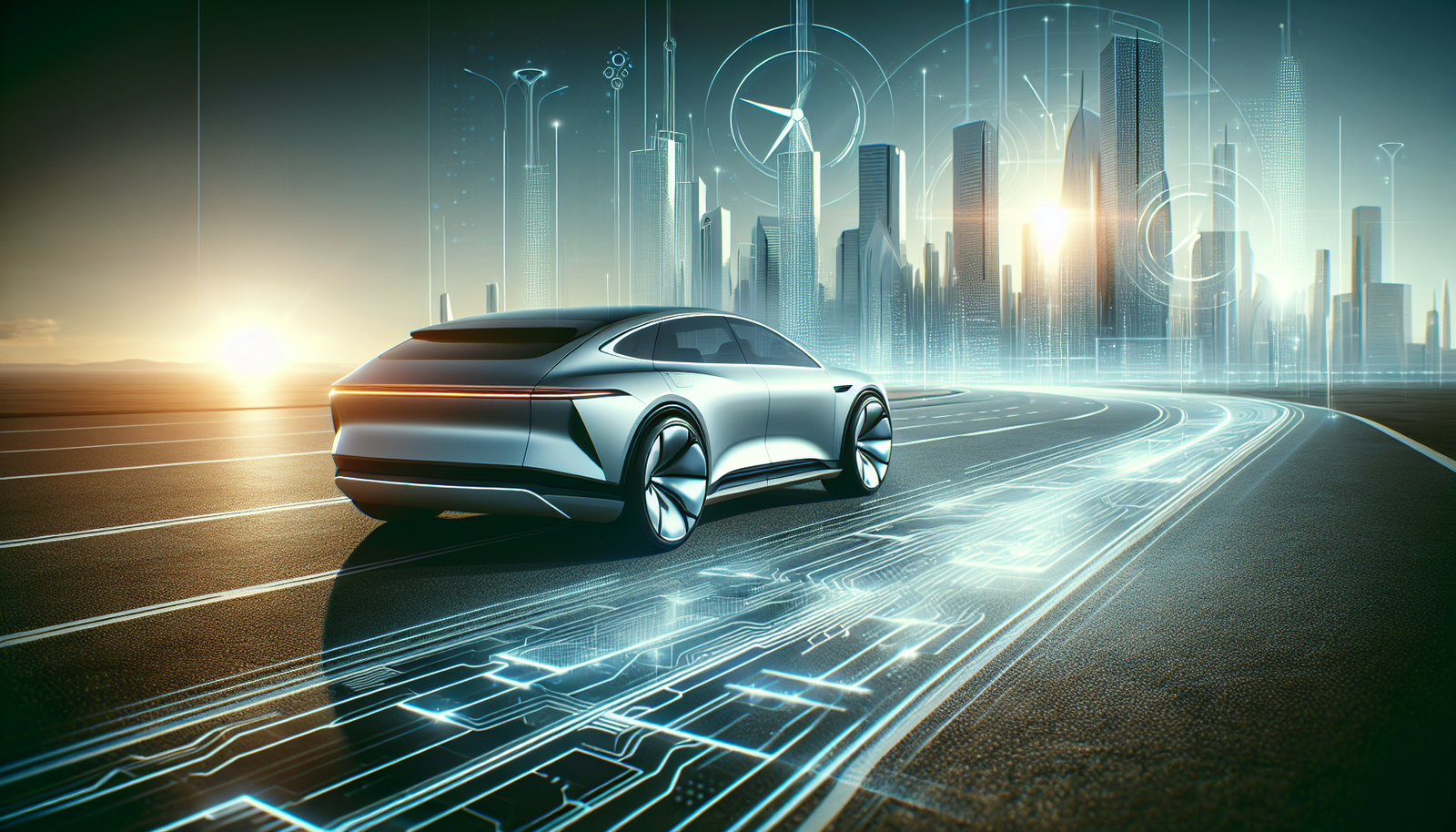
Key Points
- Electric Revolution: Electric vehicles are paving the way for green transportation, with advancements making them more efficient.
- Autonomous Driving: Self-driving technology is not just a fantasy anymore; it’s reshaping how we think about car ownership.
- Connected Vehicles: The rise of connected cars is enhancing safety, navigation, and overall driving experience.
The Electric Revolution: Charging Ahead
Electric vehicles (EVs) aren’t just a trend; they’re the future. I’ve been following the EV scene for years now, and let me tell you, it’s pretty exciting. With every year that goes by, battery technology gets better. Remember when the Tesla Roadster hit the market back in 2008? It had a range of just 245 miles on a single charge. Fast forward to today, and we’re seeing vehicles like the Lucid Air, boasting over 500 miles per charge! Talk about progress.
Governments and manufacturers are pouring resources into making electric cars more affordable and efficient. Did you know that global sales of EVs reached over 6.6 million in 2021? That’s a whopping 108% increase from the previous year. Major players like Ford and Volkswagen are rolling out impressive new models that cater to almost every segment of the market.
And let’s not forget about charging infrastructure. DC fast charging stations are popping up like mushrooms after a rainstorm, making it easier to charge up on long trips. I’ve found that apps like PlugShare help you locate stations, so you’re never left in the lurch. And with innovations like solid-state batteries on the horizon, the range of EVs is going to skyrocket even more. Electric vehicles are set to be the car of choice for the eco-conscious driver. They’ll soon cover the road, and I can’t wait to see how they’ll reshape our cities and reduce pollution.
Charging Infrastructure
Most people worry about running out of charge during a long trip. Having adequate charging stations can change that fear into peace of mind. Today, numerous apps and navigation systems are integrating charging station locations into their routes. This is a game-changer for road trips.
Autonomous Driving: The Future of Commuting
Self-driving cars used to feel straight out of a sci-fi movie, right? Well, they’ve become a reality much faster than I ever expected. Companies like Waymo and Tesla are pushing the envelope, and the possibilities seem endless. Last year, I took a ride in a Waymo vehicle in Arizona, and let me tell you, it was surreal to sit back and let the car drive itself. No hands at all! But let’s keep it real; autonomous vehicles still have a long way to go.
There are several levels of automation; some vehicles just have driver assistance features while others are working towards full autonomy. Level 5, where the vehicle can drive itself in any condition without human intervention, is still a bit away. Yet, the more I hear about advancements in AI and machine learning, the more I believe we’re getting close.
And here’s the deal: the implications of fully autonomous vehicles go way beyond convenience. Think about traffic flow and reduced accidents due to human error. Statistically, over 90% of car accidents are caused by human mistakes. Imagine a world where that number drops significantly because cars are communicating with each other! Safety and efficiency could be the new norm. We’re not just talking about innovation; we’re talking about a potential revolution in urban design and infrastructure.
Safety and Efficiency
The potential safety benefits of autonomous vehicles are immense. Reduced fatalities on the roads could shift societal perceptions of commuting. When we experience fewer accidents, we’ll not only save lives but also cut costs associated with healthcare and insurance.
Connected Vehicles: A New Era of Communication
Ever wondered why your car needs internet connectivity these days? The emergence of connected vehicles is one of the coolest innovations in future vehicle technology. It’s no longer enough for your car to just take you from point A to B. Now it wants to talk to you, your home, and even other cars.
With features like real-time traffic updates, remote diagnostics, and even the ability to precondition the cabin from your smartphone, cars are becoming smarter and more interactive. The truth is, I appreciate having my car alert me about maintenance needs before it becomes an emergency. There’s something comforting about having that level of connectivity.
Companies are also emphasizing vehicle-to-everything (V2X) communication, where cars can communicate with each other and with infrastructure. Imagine approaching a stoplight that’s red, but your car knows beforehand that the light is about to turn green. It can save you fuel and time! Studies suggest that V2X could reduce traffic congestion by up to 80%. That’s not just innovation; that’s a game changer.
Real-Time Updates and Navigation
Connecting your vehicle to real-time updates is like giving it a nervous system. It can adjust its driving behavior based on immediate information about road conditions and accidents, leading to smoother and safer commutes.
Sustainable Innovations: Driving Towards a Greener Future
Let’s be real: future vehicle innovations aren’t just about technology; they’re also about sustainability. As someone who’s passionate about protecting our planet, I can’t help but get excited about the strides being made towards more eco-friendly vehicles. The industry isn’t just looking at electric engines but is also exploring hydrogen fuel cells, bioplastics, and alternative materials.
Take hydrogen fuel cell vehicles, for example. They’re being developed by giants like Toyota and Hyundai, and they emit only water vapor. That’s pretty incredible! In my experience, hydrogen cars are a viable option for reducing emissions as they can fill up in just a few minutes—unlike batteries, which can take a couple of hours to charge.
On top of that, automakers are investing heavily in recycling and sustainable manufacturing processes. Companies are looking at ways to repurpose old batteries and utilize materials that are less harmful to the environment. Every car made with sustainable practices leads us one step closer to a cleaner planet. I genuinely believe that embracing these innovations could lead to a future where driving is synonymous with being environmentally responsible.
Recycling and Green Manufacturing
Sustainable manufacturing isn’t just a checkbox; it’s becoming a vital aspect of the automotive industry. By committing to recycling and eco-friendliness, manufacturers emotionally connect with younger consumers who value environmental shifts.