

Discovering the Best Bikes for Beginners: Your Ultimate Guide
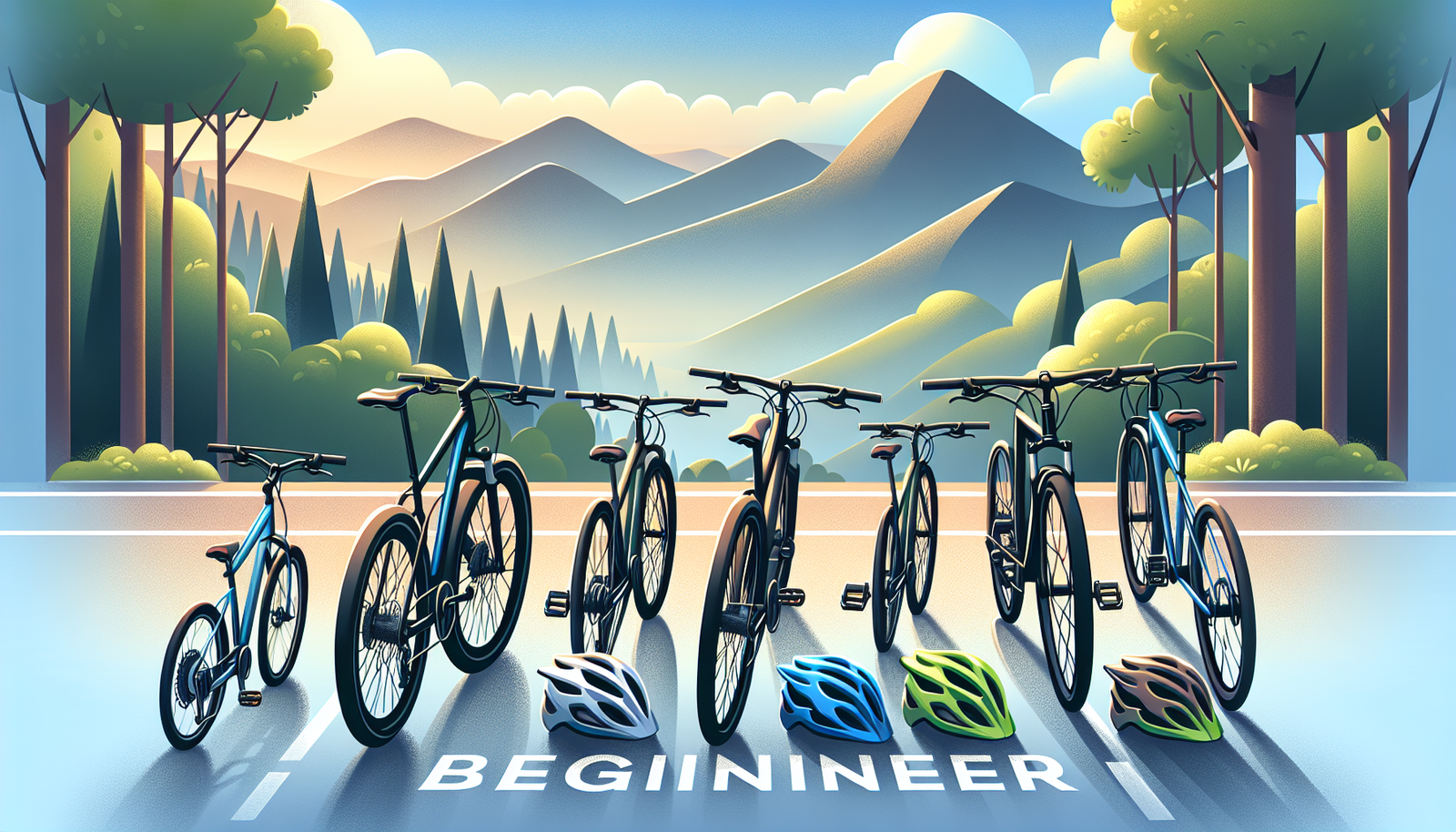
Key Points
- Affordable Options: There are great beginner bikes available without breaking the bank, making cycling accessible for everyone.
- Comfort and Usability: Choosing the right bike isn’t just about the specs—comfort and usability play pivotal roles.
- Local Recommendations Matter: Diving into local bike shops can offer invaluable insights, support, and personal recommendations.
Finding Your First Set of Wheels
Starting your cycling journey can feel overwhelming, especially with so many options out there. I remember my first bike purchase like it was yesterday. It was spring, I was excited, and I just wanted to ride! But the choices seemed endless: mountain bikes, road bikes, hybrids. Ever wondered why getting a beginner bike isn’t as simple as picking the one with the flashiest paint job? Here’s the deal: the type of bike you choose should really align with how you plan to use it. If your main gig is commuting to work or cruising leisurely in the park, a hybrid bike often strikes the sweet spot. It combines features from both road and mountain bikes, giving you the ability to maneuver on various terrains without sacrificing comfort.
In terms of affordability, you don’t need to dive into the deep end of your wallet for a good starter bike. I’ve found that solid beginner options can start as low as $300. Models like the Trek FX Series or the Specialized Sirrus are fantastic low-cost choices that won’t steer you wrong. They’re like the versatile white T-shirt of the biking world. You can dress them up or down based on your riding needs. But here’s a catch—don’t skimp on quality over price. Just because it’s cheap doesn’t mean it’s the best fit for you.
Types of Bikes
Understanding the bike types can be a game changer. Road bikes are fast but not the most comfortable for long rides on bumpy surfaces. Mountain bikes are built to tackle rough terrains but can feel sluggish on pavement. Understanding these distinctions will help you make a more informed decision.
Comfort is King: Ergonomics Matter
Look, if you’re going to spend hours sitting on a saddle, it better be comfy. I learned this lesson the hard way after a long ride on a bike that felt more like an iron throne than a seat. The truth is, bikes vary significantly in their fit and feel depending on geometry. A good beginner bike should allow for an upright riding position, helping ease pressure on your back and wrists.
You should also pay attention to other ergonomic aspects, like handlebars and pedal placement. You don’t want to feel like you’re contorted into a pretzel just to reach the brakes. Test riding a bike is crucial—that’s how you get a feel for what fits. A great local bike shop (LBS) will have options available, and they often let you take a test ride around the block. Sometimes, I’ve found that just a minute or two is all it takes to know if a bike is comfortable.
But let’s talk about sizing—this is where many newbies trip up. If you’re too short for your bike, you won’t have a good time, trust me. You should be able to place your feet flat on the ground while sitting on the saddle. For taller folks, don’t feel like you have to go for the biggest frame. A well-fitted smaller bike can sometimes be better than a larger one that you can’t really ride comfortably. So, can you picture yourself gliding through the park or zooming down a local trail? Ensuring your bike fits just right is the first step to actually enjoying that experience.
Grip and Control
Believe me, handlebars aren’t just there to grab on to. They play a key role in your riding experience. Look for grips that feel good in your hands; your palms will thank you after a scenic ride!
Gear and Accessories: What You Really Need
Here’s the deal: it’s not just about the bike; it’s also about the gear. You might think, “Do I really need that fancy helmet?” Absolutely. In my experience, a quality helmet can mean the difference between a fun ride and a trip to the ER. You want to protect that noggin of yours, and wearing a helmet can help you feel more secure, especially as a beginner getting used to the roads or trails.
Adding to your arsenal, consider investing in some lock and lights. You don’t want to come back to a lonely bike stand where your precious machine used to be. A reliable U-lock and perhaps a quick-release cable will go a long way in giving you peace of mind. Now, bike lights? They’re non-negotiable. I can’t tell you how many times I’ve been out when the sun began to set, and having front and rear lights really makes you feel more visible and safer.
Don’t overlook a good quality repair kit or patch kit, either. Flats happen, and they can bring your whole ride to a screeching halt. In my early days, I’d be sitting on the side of the road, self-pity soaked into my bike shorts, wishing I had been smart enough to pack a spare tube. Trust me, knowledge here is power.
Essential Tools
Get familiar with some basic bike maintenance tools. A multi-tool can be a lifesaver for quick adjustments on the go. And, of course, learning to fix a flat will make you feel like a true cyclist!
Exploring Local Rides and Communities
Now, let’s get into the fun part: hitting the road! One of the best ways to get comfortable on your new bike is by exploring your local area. I can’t stress this enough—find local trails or bike paths that suit your level. Ever wondered why cycling clubs exist? They’re a fantastic way to mingle with fellow cyclists while boosting your skills. Joining a community isn’t just about finding new friends; it’s also about gathering invaluable insights and tips from seasoned riders who’ve been through the same learning curve as you.
Besides social aspects, you’ll discover routes that you may never have learned about otherwise. Many cities now have dedicated bike lanes or trails that cater specifically to cyclists, making the experience a whole lot more enjoyable and stress-free. And speaking of joy, motorcycle rallies or organized local rides can be a blast. They often cater to beginners, allowing you to tackle new challenges while being part of a greater community
So, how about it? Look up your local bike club or community rides. It’s amazing how many adventures can lie right outside your door, just waiting for you to hop on that bike and explore. Being a part of a cycling community not only makes you a better rider, but it also adds a social aspect that enriches the experience. After all, what’s more fun than winding down after a ride with some new pals and a cold drink?
Group Rides and Learning
Consider attending local group rides. They often offer a relaxed atmosphere where you can learn from others while having fun. Plus, there’s always someone who’ll lend you a hand in case you run into mechanical issues on the road.