

Essential Tractor Maintenance Tips for Every Farmer
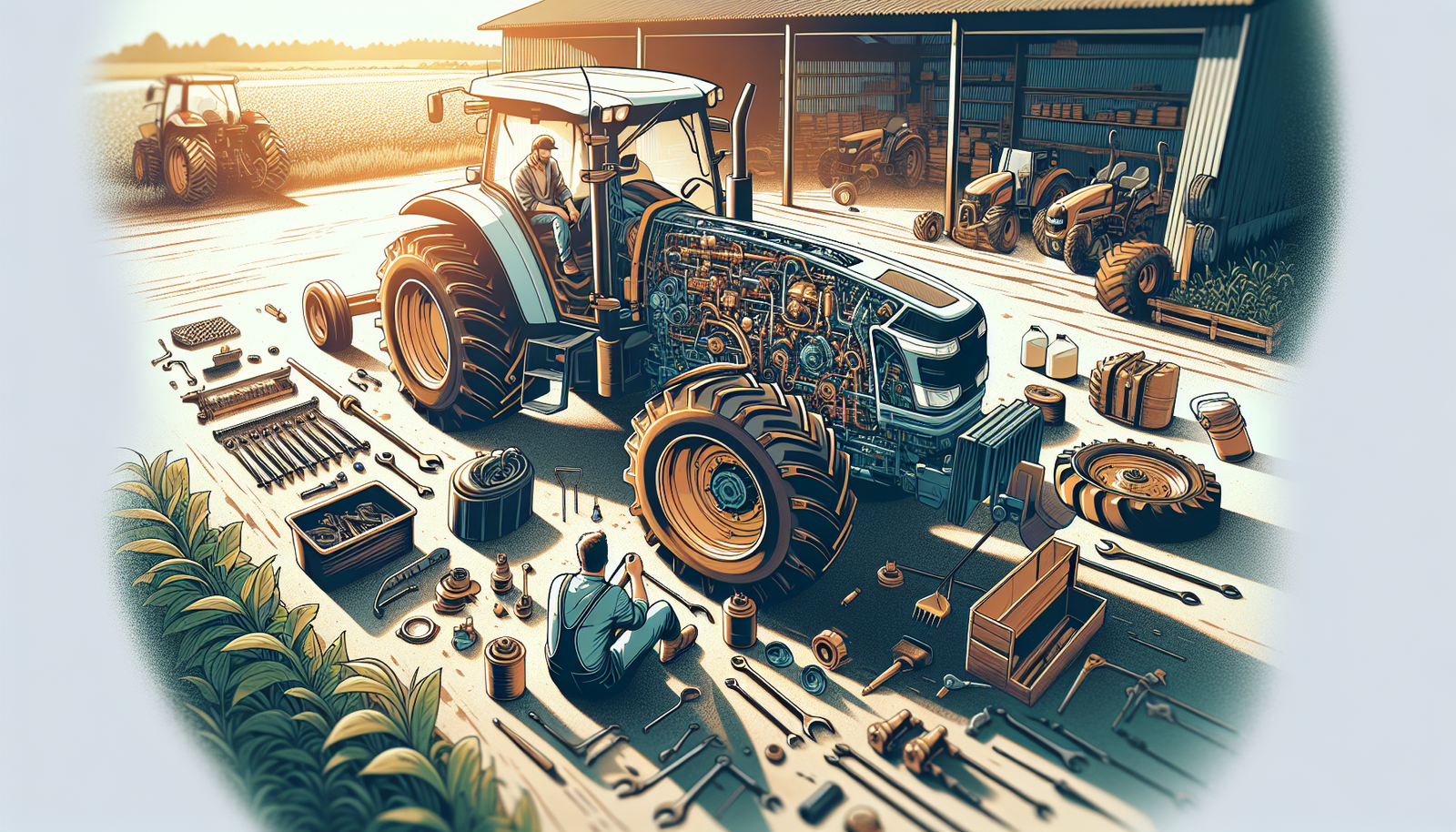
Key Points
- Keep It Clean: Regular cleaning prevents rust and ensures your tractor operates efficiently. Mud, grease, and dirt can cause significant wear.
- Regular Inspections: Frequent checks on key components like the engine and tires can catch potential issues early, saving you time and money.
- Lubrication is Key: Proper lubrication reduces wear and tear. Knowing the right intervals for your tractor model is crucial to its longevity.
The Importance of Regular Cleaning
Look, I can’t stress enough how crucial it is to keep your tractor clean. I remember when I first got my John Deere; I thought it could handle anything. Turns out, a year of neglecting basic cleaning led to some major rust issues. Who knew a bit of mud and grime could cause such havoc? Mud, grease, and dirt not only make your equipment look tired and worn, but they can also degrade vital parts over time. Think about it; your tractor’s exterior is just as important as its internal mechanics. If you let grime build up, you’re not just making it look bad – you’re putting it at risk for rust and corrosion.
Most manufacturers recommend a thorough cleaning after every season, but honestly, I’m more of a fan of doing it after each use, especially if you’ve been in particularly muddy fields or heavy dust. It’s a bit like washing your car; sure, you can wait a month or two, but then you risk grimy buildup that’s tougher to scrub off later. Use a hose, not just a bucket – that pressure can help blast off stubborn dirt. And don’t forget to get into the crevices! Check the engine bay, axles, and undercarriage. These are some of the most neglected areas, yet they need just as much love. Also, while you’re at it, give your tires some attention. Wipe them down and check for any unusual wear or punctures that could spell trouble later on. All in all, a clean tractor is a happy tractor, and trust me, it’s worth it down the road.
Dealing with Corrosion
Ever wondered why some tractors just seem to fall apart after a few harsh winters? Corrosion is often the villain in that story. Water combined with dirt and left to fester can create the perfect storm for rust to develop. It’s something I see too often in my neighborhood; someone leaves their tractor outside and neglects it. The result? It’s a sad sight after a few rainy seasons. Using protective waxes after washing can shield your tractor against the elements. It’s an extra step that could save you a ton in repairs!
Regular Inspections: Catching Problems Early
Now, let’s chat about inspections. Picture this: you’re in the middle of harvest season, and your tractor suddenly decides to throw a fit. The worst! Regular inspections are your best defense against surprises. I learned the hard way after ignoring a slight noise in my tractor’s engine. By the time I took a closer look, it was a costly repair rather than a simple fix.
What do you even look for? Start with the fluids – check your engine oil, transmission fluid, and coolant. They’re like the lifeblood of your tractor. If you notice any leaks or discoloration, it’s time to get your hands dirty, and fast! I’ve often found that simple things, such as a clogged oil filter or dirty air filter, can lead to larger issues down the line. The earlier you catch these pesky little issues, the easier and cheaper they are to handle.
And don’t stop at just checking fluids. Take a look at your battery terminals. If you see corrosion, clean it off. Check tire pressure before every major use; it can affect your traction and fuel efficiency. And don’t forget about your belts and hoses! A cracked hose or frayed belt can ruin your whole day. Make it a habit to run these checks a couple of times a year. Trust me; you’ll thank yourself later when it saves you from unplanned downtime and the stress that comes with it.
The Battery Basics
Let’s take a quick detour to batteries. You know how frustrating it is to go to start your tractor only to be greeted by silence? Usually, it can be traced back to battery issues. A good battery can last years, but a simple lack of care can shorten its life significantly. Clean connections can extend your battery performance. I know it sounds tedious, but trust me; checking your battery every few months can save you a ton of hassle.
Lubrication: The Grease That Keeps It Running Smoothly
Here’s the deal: if you want your tractor to work like a well-oiled machine, you need to embrace lubrication. This is one area where delaying just isn’t an option. I’ve seen tractors fall apart because owners overlooked simple grease jobs. I remember my buddy had this ancient tractor. The body looked pristine because he regularly painted it, but the internal mechanisms? They were a whole other story. It was almost tragic.
Different models require different lubrication intervals, and it’s crucial to know your specific tractor’s needs. Some folks think, ‘Oh, I’ll just lube it every three months.’ Wrong. Some machines have different suggestions for varying seasons. For instance, colder weather can thicken grease, so your tractor might need different care and attention to keep it running smoothly.
I recommend checking your owner’s manual not just once, but a few times to be absolutely sure you know the right intervals. And pay close attention to the grease points! Use high-quality grease; it’s usually worth the investment. Think about it this way: if you buy cheap oil, it might bite you later in repairs. I swear, the longevity of your tractor depends so much on this simple act of maintenance. Give it the love it needs, and it’ll return the favor tenfold by keeping you on the field instead of stuck in the shop.
The Right Type of Grease
Let’s get a bit geeky for a second about grease types. Did you know there are different types of grease, depending on your environment? Use the wrong type, and you could be causing even more friction than needed. For example, lithium-based grease is popular, but in high-temperature conditions, you might want to consider synthetic alternatives. Knowing your tractor’s environment can help you make the right choice.
Final Thoughts (or at least mine!) on Tractor Maintenance
At the end of the day, the truth is, proper tractor maintenance isn’t rocket science. It’s all about being proactive rather than reactive. When you take the time to look after your tractor, you’re investing in its life and performance. It’s kind of like when we choose to eat healthy; you see the benefits in the long run, even if it feels tedious at the moment.
I can tell you from my years of experience – a little bit of maintenance goes a long way. Countless farmers have avoided hefty repair bills thanks to a simple routine that keeps their machines running smoothly. And hey, you might even develop a fond connection with your tractor as you check its fluids and clean out the filters. It’s like spending quality time with a partner who’s got your back—no pun intended.
So remember, cleaning, inspecting, and lubricating are your top three priority tasks. Embrace them! And if you ever feel overwhelmed, reach out to experts or fellow farmers. We’ve all been there, and a little support can go a long way. After all, it’s about teamwork, even in tractor maintenance.